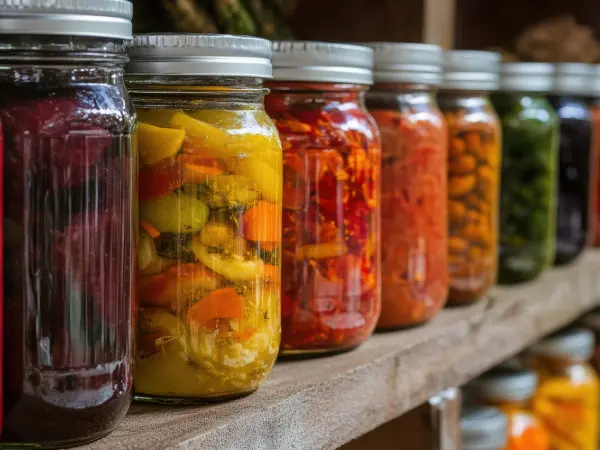
Harvest is not a single event at the end of summer. It begins the moment the first greens come up in May and continues through October. Every week something is ready, and every week there is a choice: eat it now, give it away, or preserve it for later.
Most of it gets eaten or given away. The rest goes soft in the fridge, gets left too long on the plant, or ends up in the compost.
This introductory seminar is about changing that.
Cindy Suelzle has spent decades growing food in Edmonton’s short season and working through exactly this problem. In her kitchen, summer smells like berry jam and September smells like drying herbs and apple juice. She has tried most methods, abandoned a few, and landed on practical approaches that work in a Zone 3 climate with a normal kitchen and a normal budget.
In this session, Cindy walks through six methods for preserving food, the shelf life and nutritional trade-offs of each, and how to match the method to what you grow.
She covers common mistakes, food safety basics you need to know (including when and why to use a pressure canner), and the one principle that determines whether preserved food actually gets eaten or quietly expires on a shelf.
This is not a single-skill class. It is an overview of all methods.
Whether you are new to food preservation or already canning and fermenting but want to fill in the gaps, this seminar gives you a complete picture of what is worth preserving, how, and for how long.
For hands-on skill building, explore Cindy’s canning, fermentation, and jam making workshops at OFRE.
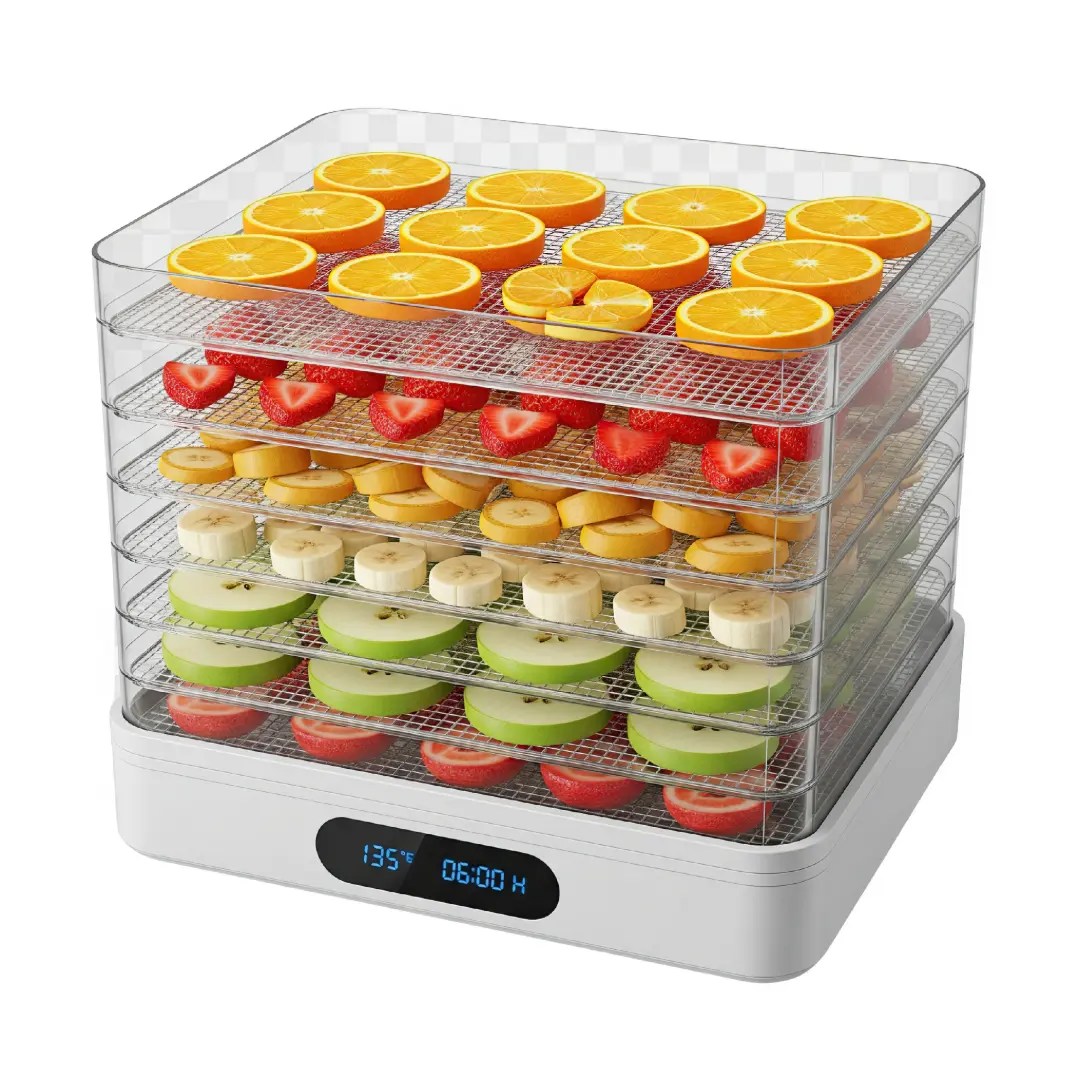
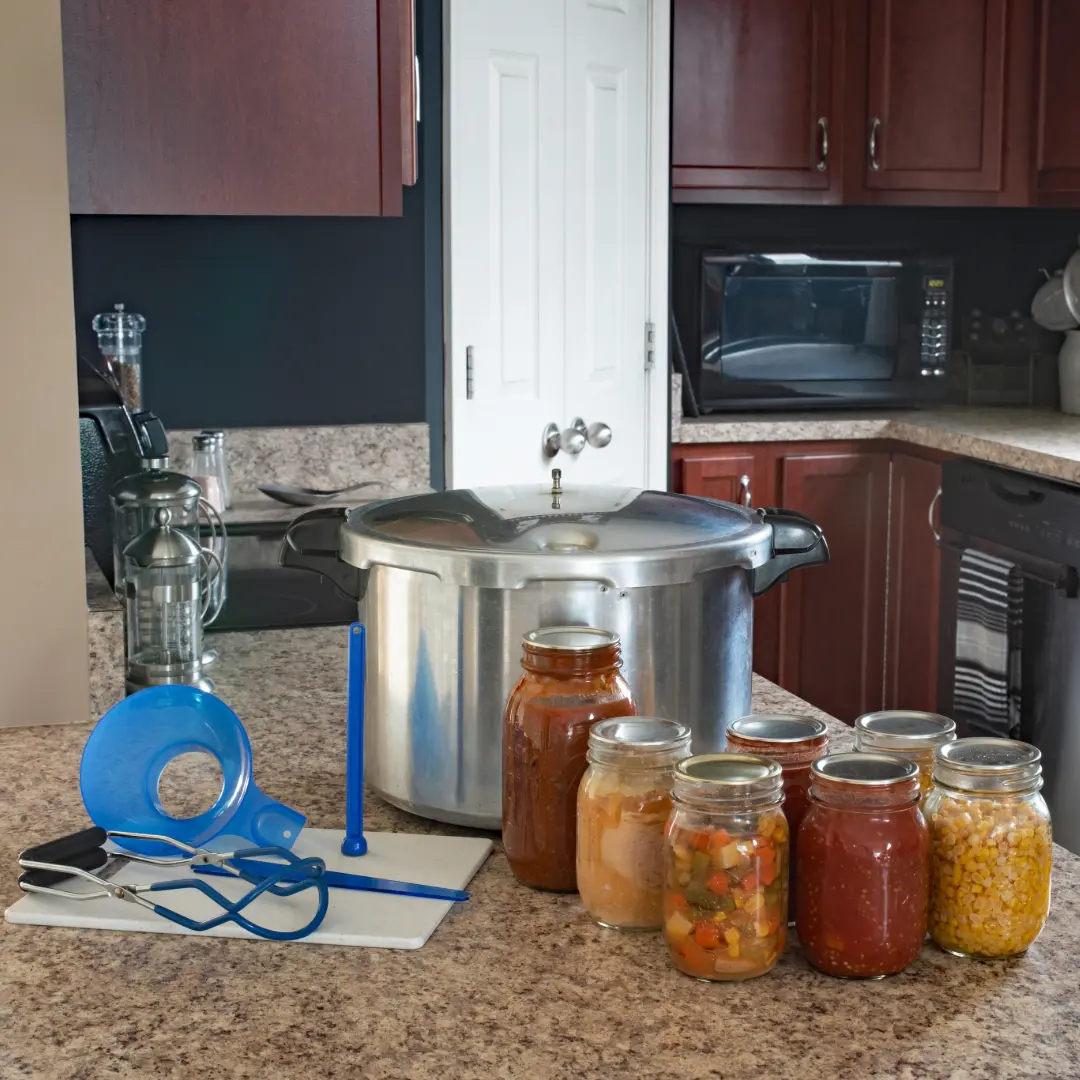
What you’ll learn in this food preservation seminar
- The six preservation methods and when to use each. Cold storage, freezing, refrigeration, canning, dehydrating, fermenting, pickling, and freeze drying each work better for some foods than others. You’ll learn which method suits what you grow and why.
- Shelf life and nutrition for each method Frozen fruits and vegetables hold about 60% of their nutritional value but only for between 4 and 12 months. Dehydrated fruits store well for up to a year under the right conditions. Canned food is best used within two years. You’ll leave with clear, realistic expectations.
- Food safety: water bath canning vs. pressure canning Low-acid foods require a pressure canner. High-acid foods do not. Cindy covers the science behind this distinction, including botulism risks, so you preserve safely and with confidence.
- Harvest timing and the “clock is ticking” principle All produce begins deteriorating within the first hour of harvest. You’ll learn how to build preservation into your harvesting rhythm so nothing sits too long before it’s processed.
- How to build a pantry you will actually use Store what you eat. Eat what you store. Cindy covers rotation, labelling, storage conditions, and the single most common reason food preservation fails.
- Produce-specific guidance From apples and beans to tomatoes, berries, and cabbage, you’ll get practical notes on which preservation methods work (and which to avoid) for the crops most commonly grown in Edmonton backyards.
Your instructor

Cindy Suelzle has been growing food in Edmonton for decades, and her approach to preservation is rooted in what actually works over a long Alberta winter. She grows up to 28 tomato plants each season, presses apples into juice every September, and manages a cold room, a chest freezer, and a fermentation corner in her Backyard City Homestead.
She is not a theorist. She is a gardener who has worked through every method, made mistakes, and learned what holds up. Her blog, Backyard City Homestead, and her YouTube channel have helped many home growers navigate the same questions she spent years working out herself.
At OFRE, Cindy teaches from lived experience. Her instruction style is honest about failure, practical about technique, and grounded in the realities of a Zone 3 climate and an ordinary home kitchen.
This seminar is the broadest of her offerings at OFRE. It gives you the full picture of preservation before you go deep on any single method.
What is the best way to preserve food you grow?
The best method depends on the food type, storage time, and equipment you have. Freezing preserves nutrition short-term. Canning provides shelf stability. Fermentation adds probiotics. This seminar compares all methods and helps you choose what fits your kitchen and your harvest.
At Operation Fruit Rescue Edmonton, we teach traditional food skills because they solve real problems. Food waste is one of them. Edmonton sits inside a growing season that produces an abundance for four months, then almost nothing for eight. The gap between those two realities is where most of a backyard harvest is lost.
Preserving food closes that gap.
There are practical reasons beyond waste reduction. Produce at the grocery store is often picked before it is ripe and can spend a week or more in transit before it reaches the shelf. Home-preserved food, processed at or near the moment of harvest, often retains more nutritional value than what we buy so called “fresh” in the grocery store in February.
Knowing the right method matters. Freezing, dehydrating, canning, and fermenting each work differently. Each has different shelf life expectations, nutritional trade-offs, and failure modes. Choosing the wrong method for a food does not just produce poor results; in some cases, it poses real food safety risks.
This seminar equips you to make those choices with confidence.
For Edmonton gardeners, the hungry gap is a real thing. Historically, it ran from March through May, when last season’s stored food had run out and the new season had not yet started. Traditional food skills were developed specifically to bridge that gap. They still work.
Cindy also teaches these workshops at OFRE
If this food preservation and storage seminar sparks your interest in going deeper on a specific skill, Cindy leads three additional workshops at OFRE. Each focuses on a single method in a hands-on setting:
