The Edmonton Permaculture Guild’s 2026 Permaculture Design Certificate Course is a 10-day, on-site immersion taught by certified permaculture instructor Kenton Zerbin. It runs July 19 to August 1 2026 at the Change Health Center in Gainford, Alberta, one hour west of Edmonton on a 130-acre property above the Pembina River.
This is not a weekend workshop or a series of videos.
You live on the land, eat meals prepared by an on-site chef, and spend 72 hours moving from foundational design principles through water harvesting, soil health, natural building, and hands-on field practice.
You build swale systems, develop fruit guilds, and complete a one-acre homestead design you present to your cohort before graduation.
The curriculum follows the internationally recognized framework established by Bill Mollison. You leave with a completed design, a repeatable process you own, and an internationally recognized Permaculture Design Certificate.
That matters now more than it ever has.
Between April 2021 and April 2024, Canadian grocery prices rose 21.4%. Alberta’s food insecurity rate hit 30.9% in 2024, the highest of any province. Prices on basics like ground beef, chicken, and eggs remain well above where they were four years ago, and Canada’s Food Price Report 2025 projects continued increases through the year.
A permaculture design certificate course will not fix the food system. It gives you the skills to work around it. When your yard produces food reliably, your exposure to grocery price swings shrinks. When you design for soil health and water retention, your harvests improve year over year without proportional increases in cost or labour.
Standard price is $2,500 CDN. Early bird pricing is $2,375 CDN for registrations paid in full by July 1.
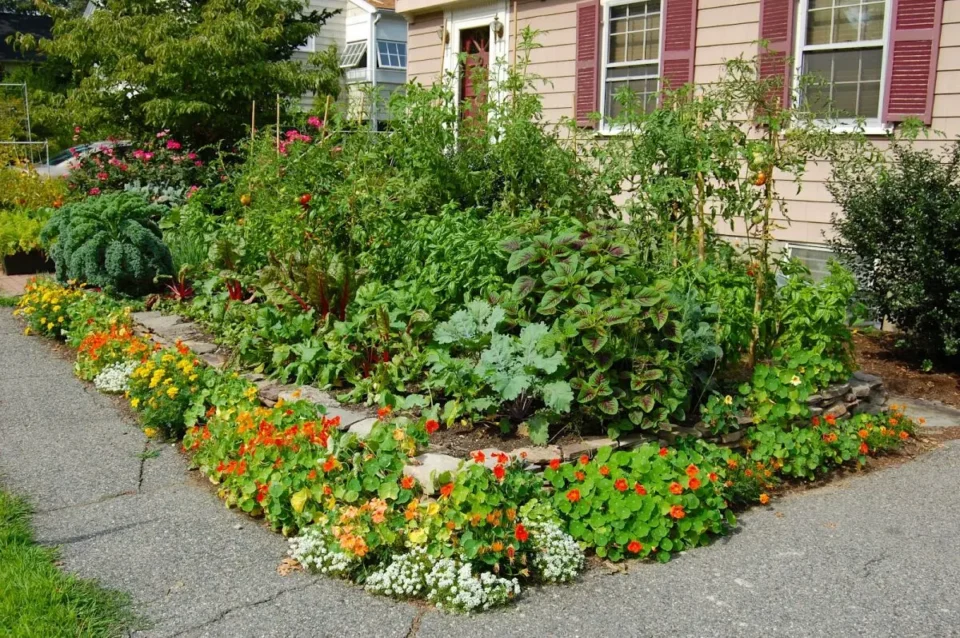
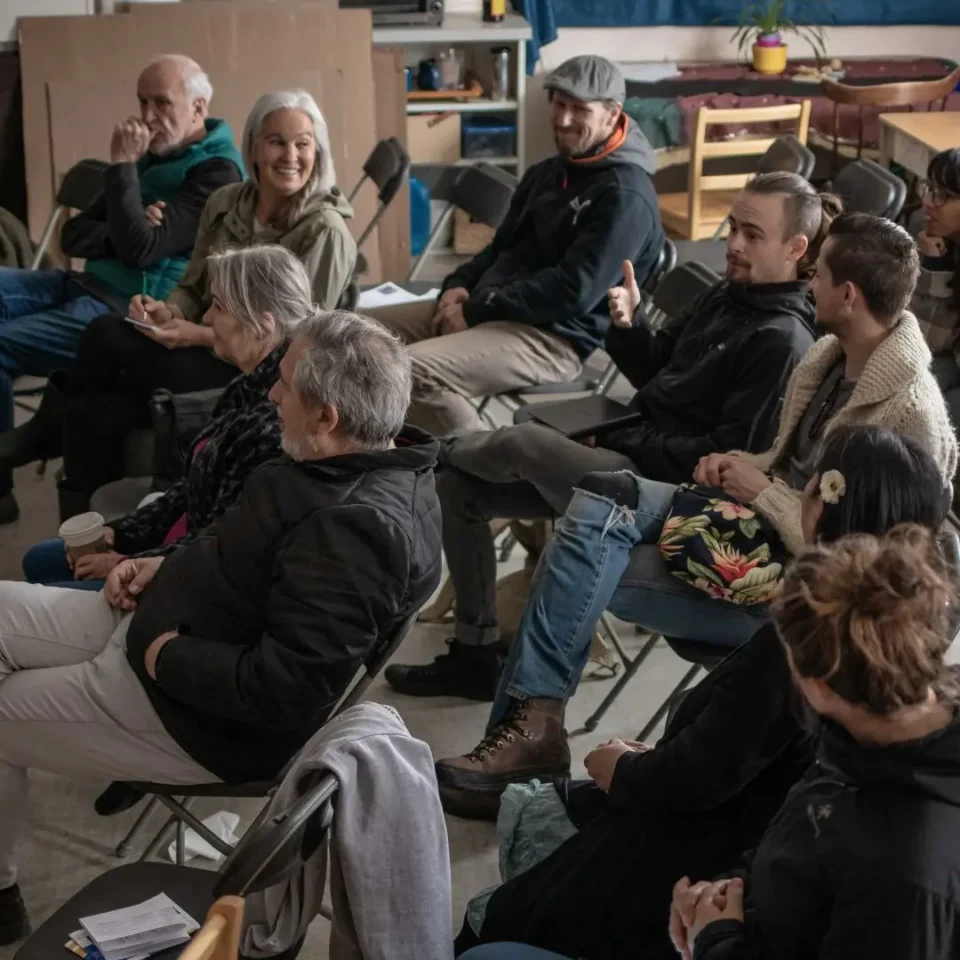
What You’ll Learn in This Permaculture Design Certificate Course
- Design science and systems thinking — Learn the foundational principles of permaculture and how to analyze a site as an integrated system, not a collection of separate problems.
- Water harvesting and earthworks — Understand how to read land and water flows, build drought resistance into your property, and work with natural hydrology rather than against it.
- Soil health and ecosystem function — Build soil organic matter, integrate perennial systems, and design for long-term productivity. Healthy soil stores water, sequesters carbon, and supports root growth across decades.
- Natural building and energy conservation — Learn house placement, passive design strategies, and appropriate technology for resilient homesteads.
- Fruit guilds and food forest design — Develop layered planting systems that produce food year after year with minimal inputs. This is where permaculture directly reduces grocery dependence.
- Permaculture consulting basics — Understand how to apply this framework professionally if you want to help others design their land.
- Hands-on land practice — Build swales, develop fruit guilds, and complete a one-acre homestead design reviewed by your instructor before graduation.
Your Instructor

Kenton Zerbin holds certification as an International Permaculture Teacher from the Permaculture Research Institute, earned in 2013 after curriculum review, professional vetting, documented teaching hours, and evidence of two projects taken from design through installation. He trained under Geoff Lawton and Bill Mollison, and assisted both of them at the 2012 Melbourne Permaculture Design Course.
Before permaculture, Kenton was a high school art teacher. He holds a Bachelor of Education from the University of Alberta. That formal training in pedagogy shapes how he structures content and meets students where they are.
Over 14 years, he has taught across Canada, Australia, the Caribbean, and the United States. He founded the Caribbean Permaculture Research Institute in Barbados, consulted for the Barbados Ministry of Agriculture, secured a $75,000 UN grant, and has designed properties ranging from urban backyards to 160-acre farms. In St. Albert, he transformed a church lawn into a public food forest. He built his own off-grid tiny home and still lives in it.
In 2024, he founded the Attainable Sustainable Academy and continues to teach at NAIT in Edmonton.
“Kenton is a strong teacher with commitment, admirable energy and a well rounded expertise.” – Geoff Lawton
Why Permaculture Complements Food Preservation and Growing Skills
A permaculture design certificate course teaches you to produce food. What you do with that food after the harvest is a separate skill, and one that matters just as much.
Edmonton’s growing season is short. A well-designed permaculture system on a Zone 3 property produces fruit, vegetables, herbs, and storage crops, but much of that harvest arrives in a short window. Without preservation skills, a productive yard still generates waste.
OFRE teaches the traditional food preservation techniques that close that gap. Our food preservation workshop covers water bath canning, fermentation, dehydration, pickling, and root cellaring — the same methods Alberta families used to feed themselves through long winters before global supply chains existed. Learning to grow food affordably through permaculture and learning to keep it through traditional preservation are two sides of the same practical response to rising grocery costs.
If you are earlier in your food-growing journey and want to start with your existing urban lot before a full design course, our Managing Microclimates for Growing Fruits in the Urban Landscape workshop with Winston Gamache is a strong starting point.
Winston covers how to identify and use microclimates in Zone 3 to extend your season and grow fruit that would otherwise struggle in Edmonton’s climate. That workshop is available online and pairs directly with the hands-on design work you would take further in a permaculture design certificate course.
The sequence is straightforward. Understand your site. Design for production. Preserve what you grow. Each skill builds on the last, and all three reduce what you spend at the grocery store.
